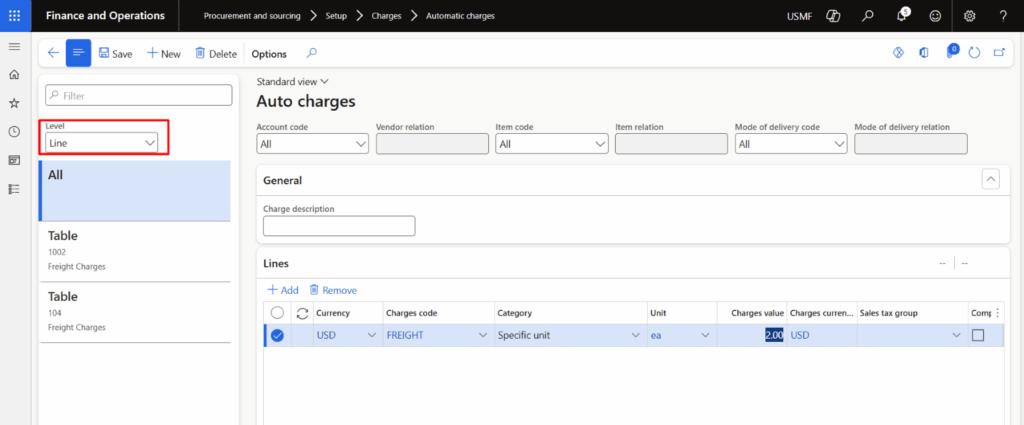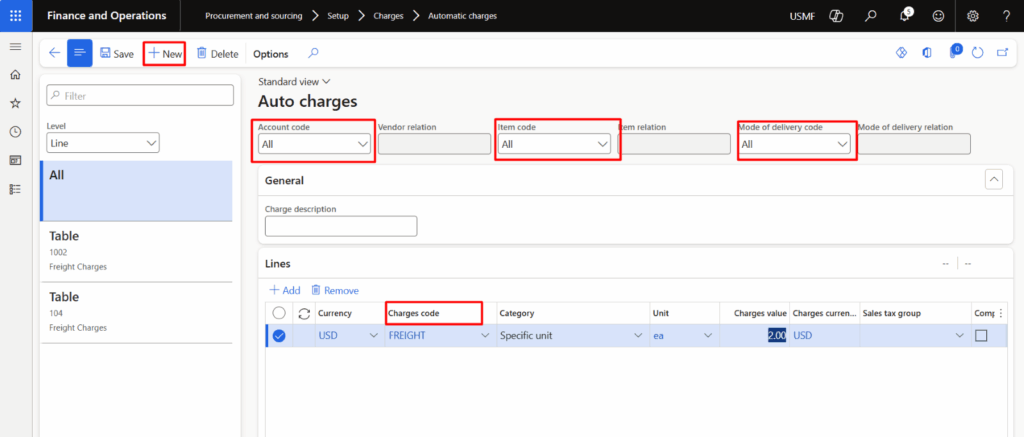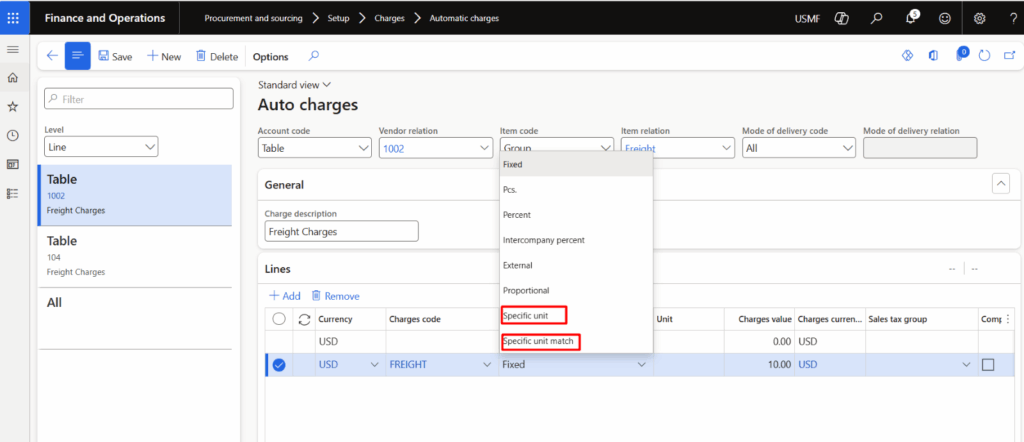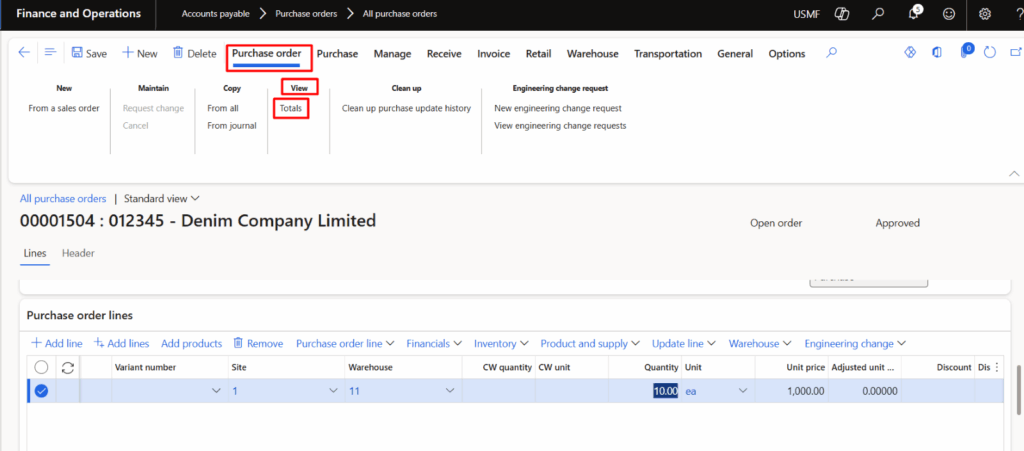
In a globalized, cost-conscious business landscape, every detail in supply chain finance matters, including how charges are applied at the line level. Microsoft Dynamics 365 Finance and Operations continues to evolve with real-world business needs in mind. One such enhancement is assigning Units of Measure (UOM) to line-level charges.
This seemingly minor feature offers significant flexibility and control over how additional costs are distributed and calculated on purchase or sales documents.
Explore the purpose and benefits of the Unit of Measure in Dynamics 365 F&O and learn how to configure it for accurate and streamlined operations.
What is the “Unit of Measure for line-level charges” feature?
Previously, in Dynamics 365, line-level charges (such as handling fees, container surcharges, environmental taxes, etc.) were often calculated using fixed or percentage-based values. But businesses that offer bulk, volume, or per-unit-based services need more granular control.
In Dynamics 365, a Unit of Measure (UOM) defines how quantities of products or services are tracked, sold, purchased, or stored. It’s a foundational concept across modules like Finance and Operations, Sales, Commerce, and Supply Chain.
With this feature, users can now apply charges based on a specific unit of measure (UOM) such as:
- Per unit
- Per kilogram
- Per pallet
- Per liter, etc.
This makes the charges more dynamic, scalable, and aligned with real-world logistics and procurement costs.
Application of Unit of measure: A business use case
Let’s say your company imports chemicals in bulk:
- You ordered 10,000 liters of solvent from a supplier.
- The supplier charges a hazard handling fee of $0.50 per liter.
Without UOM-based charges: You must manually calculate and enter a total fixed charge (e.g., $5,000) for the handling fee.
With a UOM-based charge: You can define a charge code like “Hazard Handling” with a UOM = Liter and rate = $0.50.
D365 will now:
- Automatically multiply the charge per UOM by the ordered quantity.
- Apply it as a line-level charge.
- Recalculate the charge dynamically with quantity changes
Examples of unit-based charges by industry
| Industry | Use Case |
| Retail and FMCG | Packaging surcharge per unit or box |
| Manufacturing | Environmental fees per KG of raw material |
| Logistics | Handling charge per pallet or container |
| Pharma & Chemicals | Hazard fees per liter or bottle |
| Food & Beverage | Refrigeration surcharge per case |